
Victoria Devine Answers Your Most Asked Questions About the Federal Budget: Negative Gearing, CGT and What It Actually Means
If you’ve opened Instagram, TikTok, LinkedIn or accidentally made eye contact with someone who owns an investment property this week, chances are you’ve heard VERY strong opinions about the Federal Budget.
Apparently we’re communist now. Property investing is dead. Boomers are under attack. Young people are lazy. And Jim Chalmers personally ruined Christmas lunch.
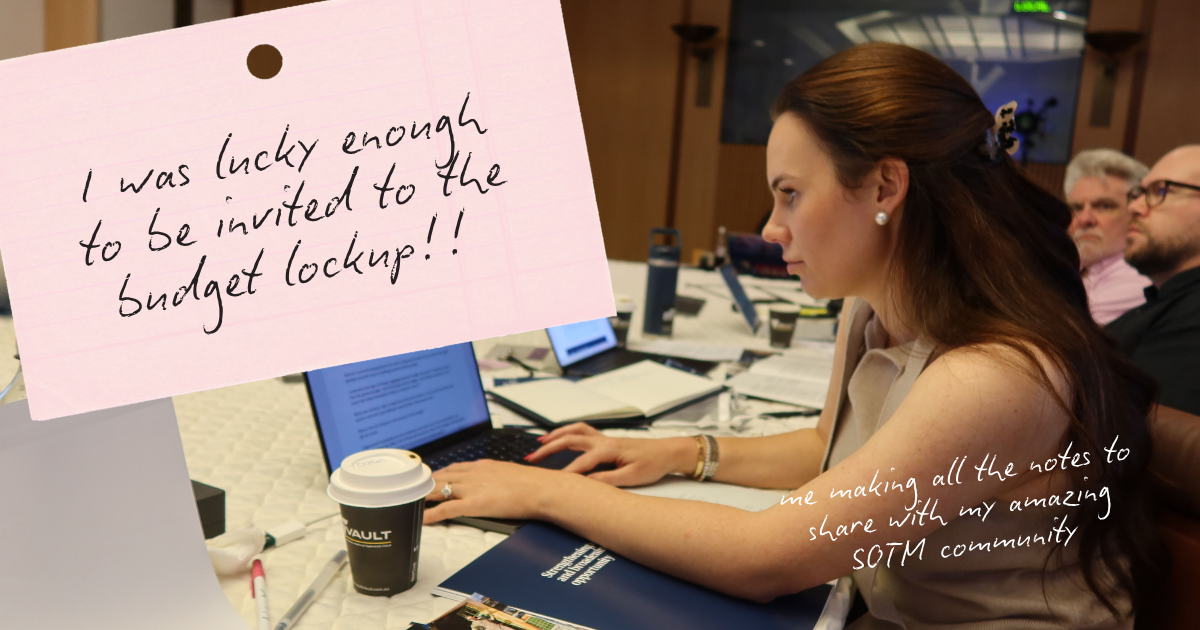
It feels fair enough if your brain feels a little fried. After spending time inside Parliament House for Budget Lock-Up speaking with ministers, economists and crossbenchers, one thing became really obvious to me: Our community isn’t asking for political spin - no matter how much politicians want to dish it out. We just want someone to explain what the hell this actually means for your life without sounding condescending.
So I pulled together some of the biggest questions our community sent through after our budget coverage and answered them in plain English.
Also, before we start: A quick explainer on “grandfathering” because this word is doing a LOT of heavy lifting right now. Grandfathering basically means: If you already owned an asset BEFORE the rules changed, the old rules may still apply to you moving forward. So when people say “existing investments will be grandfathered,” they mean current owners potentially get to keep the old tax treatment while new purchases fall under the new system.
Okay. Let’s get into it.
“The NDIA industry already has so much red tape. Why reduce funding instead of fixing inefficiencies within the NDIA itself? And what impact could this have on the gender pay gap?”
This is one of the more emotional conversations coming out of the budget and honestly, I understand why. The government’s argument is that the NDIS is growing too quickly financially and needs reform to remain sustainable long term. But the criticism from providers, therapists and families is that the “fixes” often feel like they land on frontline workers and disabled Australians rather than internal inefficiencies within the NDIA itself.
And yes, there’s absolutely a gender conversation here too.
A huge portion of allied health and disability support workers are women. So when therapist rates stagnate, travel payments are reduced and provider costs continue rising, that absolutely impacts earnings and workforce retention in female-dominated industries. The fear is that over time it becomes harder to retain therapists, especially regionally, and that ultimately impacts access to care.
“Will the negative gearing changes affect me if I’ve already been negatively gearing half my home?”
At this stage, it appears the key factor is WHEN you purchased the property, not necessarily whether you were already negatively gearing it before Budget night.
Another quick explainer: Negative gearing is when the costs of owning an investment property are higher than the rental income it brings in, allowing investors to potentially reduce their taxable income. So if you already owned the property before the proposed policy start date, there’s a strong chance existing arrangements would be grandfathered under the current rules.
BUT.
And this is important.
The legislation is not final yet.
Which is why the internet is currently full of people confidently explaining policies that technically don’t fully exist yet. So if your setup is more complex, like dual occupancy or partial renting, please speak to an accountant before taking advice from someone whose profile picture is a Ford Ranger.
“If I already own my home but plan to rent it out later, is it grandfathered?”
From what’s currently been proposed, grandfathering appears tied to ownership timing rather than whether the property was actively rented before Budget night. So if you already owned the property before the relevant cut-off date, there’s a reasonable chance the current tax settings would still apply if you later converted it into an investment property. Which also means, based on what’s currently proposed, you may still be able to negatively gear an existing property in future if you already owned it prior to the changes taking effect. But again, we still need final legislation before anyone can say anything with complete certainty.
“Does the new-build negative gearing policy only apply to empty blocks or also knockdown rebuilds?”
This is one of the BIG grey areas the property industry is already debating. The government’s intention seems pretty clear: increase housing supply. Meaning they want MORE homes available overall, not just shinier homes replacing old ones.But depending on how the legislation is drafted, some knockdown rebuilds could potentially still qualify as “new builds.” So yes, there are still unanswered questions here. Frankly, if the policy accidentally incentivises wealthy suburbs to endlessly bulldoze perfectly good homes instead of actually increasing housing stock… that probably misses the point a little.
“Can I still buy an investment property before July 2027 and keep the current rules?”
Potentially, yes. At this stage, many of the proposed changes are expected to begin in July 2027, meaning purchases before that date may still fall under the current arrangements and become grandfathered moving forward. Which is ALSO why parts of the internet are behaving like it’s the final hours of a panic sale at Bunnings. But I really want to stress this:
A tax benefit alone does not make something a good investment.
Cash flow matters.
Interest rates matter.
Diversification matters.
Your lifestyle matters.
And rushing into property because TikTok told you the world is ending by 2027 probably isn’t the move.
“How do the CGT changes affect shares and DRPs?”
This is the part I think a lot of younger investors are only JUST realising matters. Because these changes don’t just affect property. They potentially impact shares, ETFs and long-term investing too.
Quick explainer: CGT stands for Capital Gains Tax. It’s the tax you may pay on the profit made when you sell an investment asset, like shares or property.
And yes, Dividend Reinvestment Plans (DRPs) can make CGT calculations more annoying because every reinvested dividend creates a new parcel of shares with its own purchase price attached. That doesn’t suddenly make DRPs “bad.” It just means record keeping becomes more important. The good news is most investing platforms already track a lot of this automatically now. And importantly: This budget does not suddenly mean “don’t invest.” Long-term investing and diversification still matter enormously.
“This feels like it’s all about people investing in property. What about single mums investing just to create passive income one day?”
Honestly, this question was a big one for me - and when I asked Albo and Katy Gallagher about how I’d done a little CTRL+F on all the budget papers and found nothing for single women in the budget, they went silent. Because political conversations around “investors” often paint this image of ultra-wealthy landlords sitting on twelve properties and a yacht called Tax Minimisation. But a lot of Australians investing in shares are simply trying to build SOME kind of future security outside the pension system. Single women remain one of the fastest-growing groups at risk of housing insecurity and poverty later in life. So when tax settings around investing change, people understandably feel nervous. The important distinction here is that the government is trying to reduce speculative pressure on existing housing, not stop Australians from building wealth altogether. But I do think this budget signals something bigger culturally: Australia may slowly be moving away from treating residential property as the ONLY acceptable pathway to wealth creation.
“Would LOVE examples because the math genuinely is not mathing in my brain.”
Queen, you asked the right person.
Right now, under the current system: If you buy shares for $10,000 and later sell them for $20,000 after holding them for more than 12 months, your gain is $10,000. Under today’s rules, you’d generally only pay tax on HALF that gain because of the 50% CGT discount.
Under the proposed new system, instead of automatically getting the 50% discount, your original purchase price gets adjusted for inflation first. So if inflation meant your original $10,000 investment was effectively worth $13,000 in today’s dollars, you’d only pay tax on the gain ABOVE inflation.
Which means: If your investments massively outperform inflation, you may pay more tax than before. If inflation stays high and returns are more moderate, you could potentially pay less.
And importantly, if grandfathering applies as currently proposed:
Shares purchased BEFORE July 2027 would likely remain under the current 50% CGT discount rules. Shares purchased AFTER the new rules begin would likely fall under the new inflation-adjusted system instead.
“What does Capital Gains Tax (CGT) actually look like in real life?”
Let me give you an example using the names of people in our team. Jess invests $50,000 into ETFs over a few years. Ten years later, those investments are worth $90,000 and she decides to sell them. That means she’s made a capital gain of $40,000. Under the current rules, because Jess held the investments for more than 12 months, she generally gets the 50% CGT discount. So instead of paying tax on the full $40,000 gain, Jess would only pay tax on $20,000 of it at her normal tax rate.
Under the proposed new system, instead of automatically getting the 50% discount, her original investment amount would first be adjusted for inflation. So if inflation meant her original $50,000 investment was effectively worth $65,000 in today’s dollars, she’d only pay tax on the gain above that amount. In this example: $90,000 sale price minus inflation-adjusted cost base of $65,000 = taxable gain of $25,000.
So depending on inflation and investment performance, some people may pay more tax than they do now, while others could actually pay less.
“What does negative gearing actually look like in real life?”
Brooke buys an investment apartment. Over the year, her mortgage interest costs $32,000 and property expenses, rates and maintenance cost another $8,000. So her total yearly costs are $40,000. But the property only brings in $32,000 in rental income. That means Brooke is losing $8,000 a year holding the property. Under current negative gearing rules, she may be able to deduct that $8,000 loss against her taxable income, potentially reducing the amount of tax she pays overall.
The reason many Australians accepted these short-term losses historically was because they were betting the property would grow in value over time, rental income would increase eventually, and the tax benefits helped soften the yearly losses while they held it. Under the proposed changes, future investors buying existing properties may no longer be able to claim those losses against their salary in the same way unless the investment is tied to new housing supply.
want more budget content?
I recorded a whole bonus episode you can listen to right now


***Please remember our blogs aren’t intended as financial advice - they’re intended only as a starting point to give you a little extra info! For more in-depth advice catered to your personal financial position, please see a certified financial advisor.