How Much Do We Really Spend on Groceries? (And the Best Community Hacks to Save)
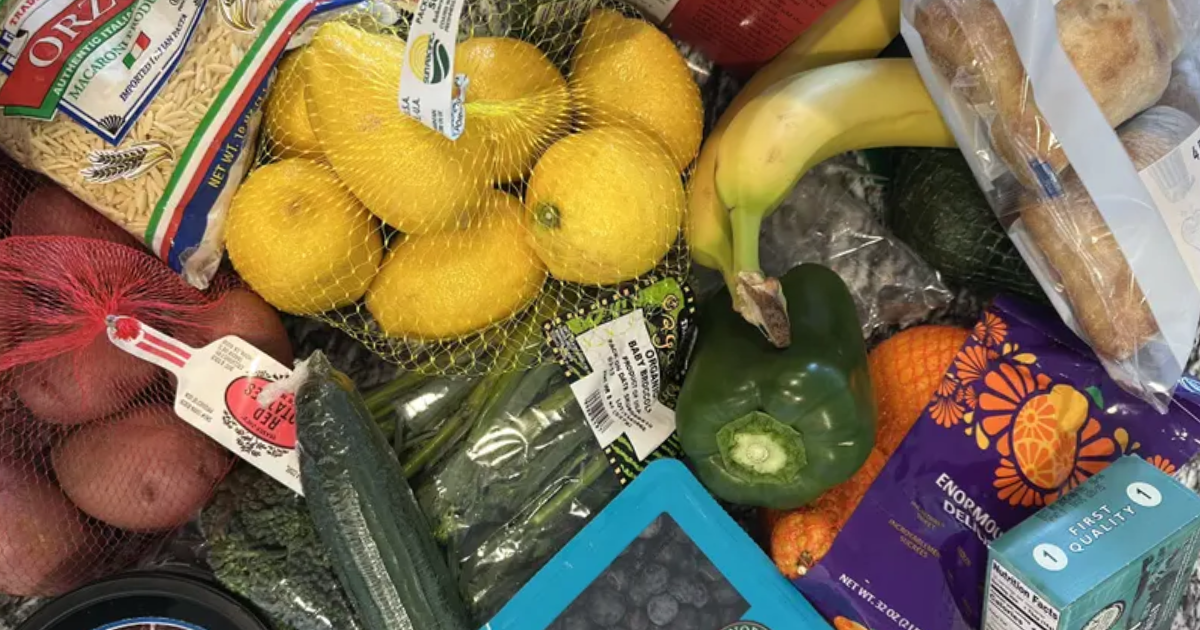
Groceries. Love them or hate them, they’re the line item in the budget that always gets people talking.
In our Pervy Paycheck series, people are super open about what they earn and how they spend it, but the grocery category is where opinions get spicy. Some of you swear by $50 a week per person, while others say $150 is the bare minimum, and then there are households spending $500 or more once you add in kids, pets, and dietary needs.
So, what’s “normal”? And more importantly, how can we make the grocery bill feel less scary?
What the data says
From over 1,400 Pervy Paycheck submissions, here’s what weekly grocery spending looks like:
Average spend per person: $132
Median spend: $100
Most common range: $75 to $150
When we dig deeper:
No kids: $118 on average
With kids: $162 on average
By number of kids:
1 child: $152
2 children: $170
3 children: $178
4+ children: $129 (larger families often stretch meals with bulk buys and cheaper staples)
So if you’re sitting around $100 per person per week, you’re right in the middle of the pack.
What the community says
Your comments show just how different grocery budgets can be in practice:
Caitlin: “I budget for $75 per person. I’ve done it on $50 before. Lately it’s been $90 per person, but I’m aiming back down to $75.”
Sabrina: “$100 a person, but that’s with strict meal planning and shopping specials. Without it, we’d spend double.”
Zoe (remote NT): “$1500 a month for 2 adults and a toddler. We drive 1000km to the supermarket. If the trucks don’t get in, we go weeks without fresh fruit or dairy.”
Rachel: “Some people buy the cheapest brands, others shop at farmers markets or buy organic. It really comes down to your values.”
Emma: “I’d love to know how people do $50 a week, what are they actually buying?”
Community-approved grocery hacks
Here’s where the SOTM community really shines, sharing the clever little swaps and hacks that make a big difference.
🌟 Hidden gem products
Aldi parmesan cheese (the powdery one in the fridge section, a fan favourite)
Woolies wafer biscuits (80c and toddler-approved)
Coles pancake mix (cheaper, less plastic, and less waste than shake bottles)
Aldi gluten-free bread (“better than the expensive brands”)
Woolworths brand coffee and cake mixes (surprisingly high quality for the price)
Aldi spreadable goat’s cheese and garlic bread slices (cheaper but just as good as name brands)
🛒 Smarter shopping strategies
Save your Woolies staples in the app and filter to “specials only” (Jayne)
Costco bulk buys like pork mince 3kg for $25 to $30 and laundry powder that lasts 200 washes
Farmer’s markets for fresher and cheaper fruit and veg
Reject Shop for cleaning, hygiene, and snacks (Sam)
🥘 Meal planning and cooking hacks
Homemade focaccia: $2.50 for the equivalent of 2 loaves, and tastes better (Casey)
Cook in bulk and freeze meals, saving money and time (Toula)
Steamers and rice cookers to avoid pricier precooked rice and potatoes (Bonny)
Buy meat in bulk and portion it out, often cheaper than shopping specials week to week (Jo)
“Half a beast” from a local farmer, a huge upfront cost but covers meat for months (Zoe)
♻️ Household swaps
Aldi vanish and Glen20 alternatives for half the price (Kate)
Hudstone washing powder, long lasting and cheaper per wash (Lizzy)
DIY cleaning products like hand soap, multipurpose spray, and washing powder (Chelsea, Felicity)
Reject Shop for pet food, razors, toothpaste, and lunch box fillers (Sam)
💡 Little tricks that add up
Skip fabric softener since it soils clothes faster (Felicity)
Use only a third of the recommended dishwashing powder and it still works
Shop at markdown times, with Woolies and Coles reducing fresh produce daily (Claudine)
Always check unit pricing since specials aren’t always the best value (Jo)
The bottom line
There’s no one size fits all when it comes to groceries. Spending $75 to $100 per person per week is achievable if you meal plan and shop smart. Spending $150 or more per person is common for families, people with allergies, or those in remote areas. Your values, whether that is organic produce, bulk-buy basics, supporting local farmers, or hunting for specials, will always shape your spend.
👉 The takeaway? Stop comparing your trolley to someone else’s. Instead, find the swaps and strategies that work for your household, and spend in a way that feels aligned to both your budget and your lifestyle.
***Please remember our blogs aren’t intended as financial advice - they’re intended only as a starting point to give you a little extra info! For more in-depth advice catered to your personal financial position, please see a certified financial advisor.