How to Buy Natural Fibres Without Derailing Your Savings Goals

If your feed lately has made you feel like your wardrobe is secretly toxic and also weirdly expensive to fix, same.
Every second video is telling you to ditch polyester, switch to cotton, linen, wool, and somehow end up with a minimalist dream wardrobe that costs more than your rent. And obviously, we would love to have a full natural fibre wardrobe, but it genuinely is quite expensive to make that happen. We're tasking ourselves with making little swaps here and there, but how can we actually do it without derailing all the savings goals we're working so hard on?
Don't worry, I asked around the office for actual answers. Because naturally, if you open Instagram, you can find a really lovely natural fibre top, but it's going to set you back $180. The resident shoppers in our office always know how to find a really good deal for high-quality pieces, so let's have a look at what they suggest.
PS Before we get into it, a little quick reality check: you do not need to replace your whole wardrobe overnight. Panic buying better clothes is one of the fastest ways to burn through your money. Totally understand that that's something you might want to do, but it might be best practise to just replace stuff as it wears out and prioritise the pieces you wear every week. Check the fabric composition before you check the price tag. Hopefully that last habit alone will save you hundreds every year.
Firstly on cotton that doesn't feel cheap or cost a fortune.
If you assume cotton basics automatically mean $60+, there are some places we need to show you! Glassons is honestly underrated for this. They consistently have 100% cotton and organic cotton pieces that actually feel structured. Long sleeve tops, relaxed pants, knits that look like they belong in a higher price bracket. Prices often start around $19, which makes it a really easy place to start swapping fabrics.
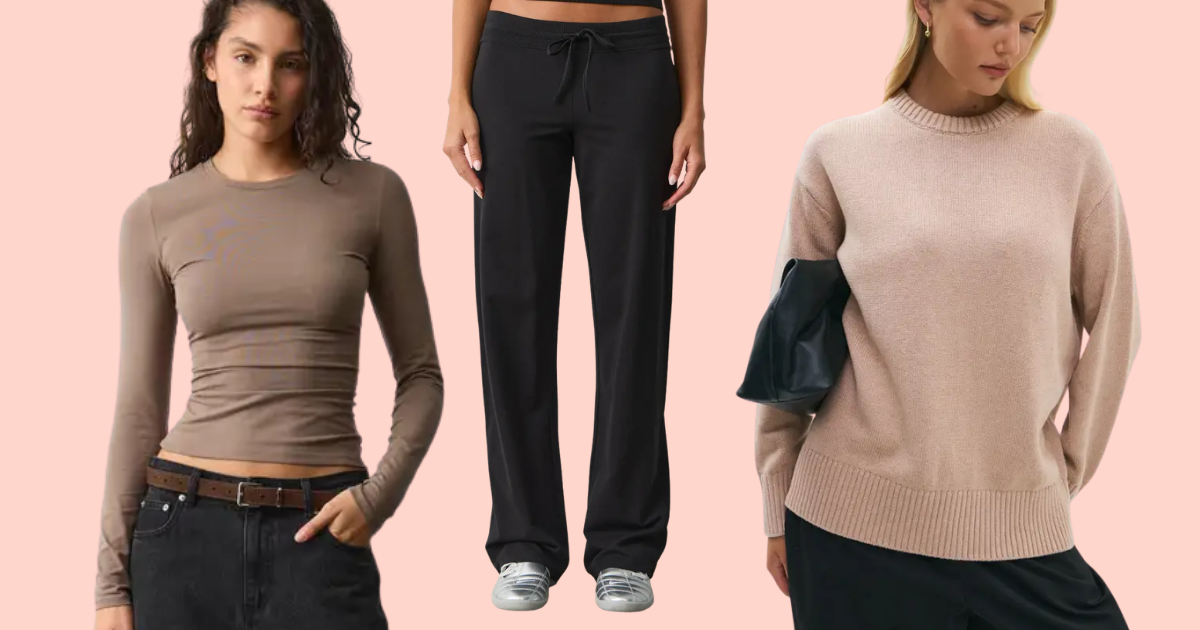
some of our team fave GLASSONS picKs:
Organic Cotton Long Sleeve Top, Cotton Relaxed Straight Leg Pant, Cotton Wool Blend Long Sleeve Knit
If you want something less neutral, Sportsgirl is a good shout. Their cotton basics come in colours you'll actually want to wear, not just beige and black on repeat. That matters more than people give it credit for, because clothes you actually like get worn more, which means every dollar goes further.
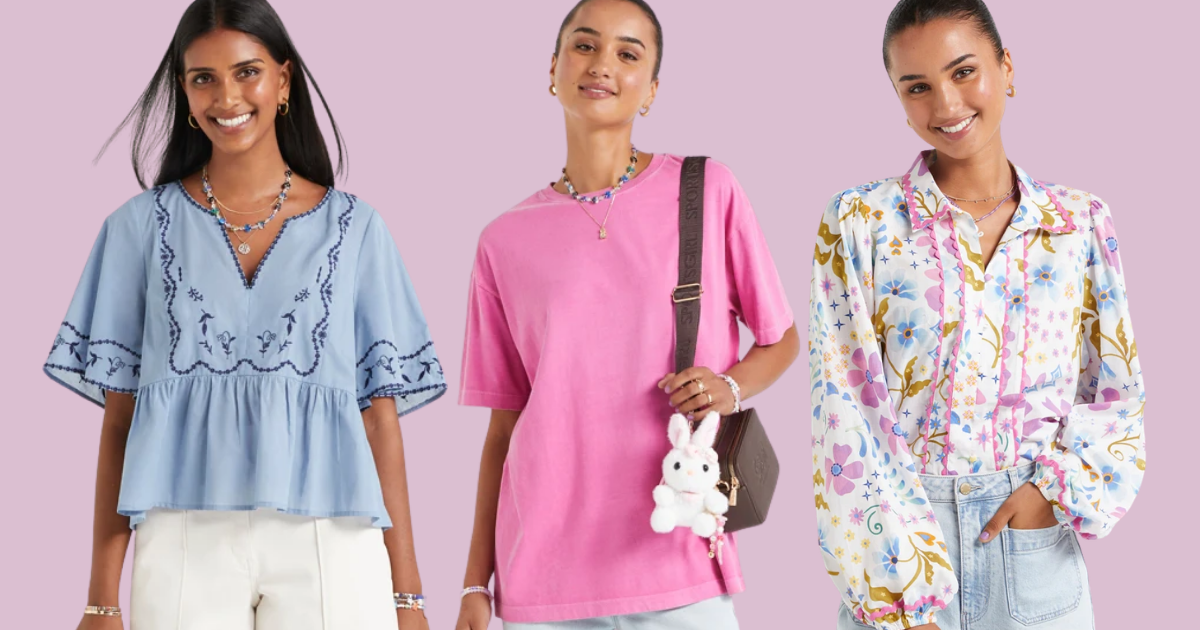
some of our team fave sportsgirl picKs:
HADLEY FLUTTER SLEEVE TOP, AUSTRALIAN COTTON BOYFRIEND TSHIRT, CODY RICK RACK SHIRT
Target is quietly doing the most
I know, I know, but Target Australia is genuinely doing a lot right with natural fibres at the moment.
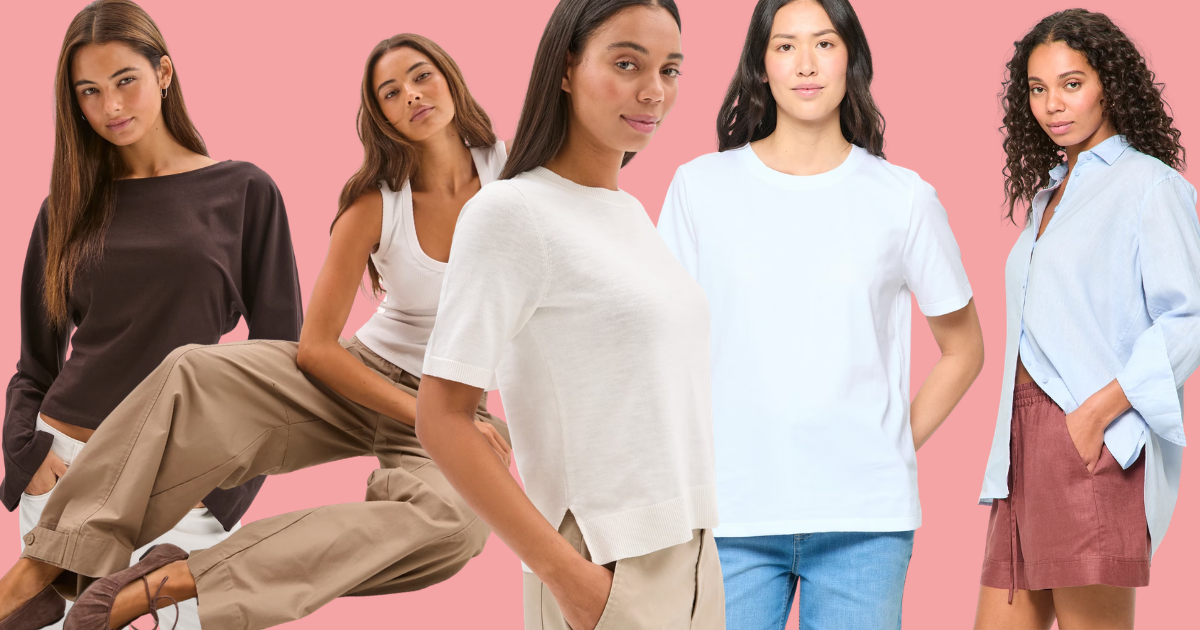
You can walk in and find Australian cotton t-shirts for around $9, cotton tops and pants that hold up as everyday staples, and blends that still lean heavily natural, like cotton-linen mixes.
That $9 cotton tee is the easiest possible way to start switching things up. There's basically no risk if it doesn't work out.
They also carry 100% linen pieces that look way more expensive than they are. A linen shirt at Target costs a fraction of what you'd pay at a boutique, but it still feels breathable and looks polished.
If you're building from scratch or just replacing basics, this is one of the easiest wins.
some of our team fave target picKs:
Lily Loves Australian Cotton Cinch In Long Sleeve Top, Lily Loves Australian Cotton Barrel Leg Cargo Pant, Australian Cotton Classic T-Shirt, Australian Cotton/Linen Blend Knitted T-Shirt, European Linen Long Sleeve Shirt
Linen, without the luxury markup
Linen has a reputation for being expensive, but that's mostly branding.
You can absolutely find affordable linen if you skip the aesthetic packaging and look at fabric labels instead.
Target is strong here. Otherwise, look for 100% linen or high-percentage blends, ignore the brand name, and ask yourself how often you'll actually wear it. And another house favourite is Uniqlo. They have some incredible natural fibres across all of their ranges, but their linen holds up.
A $30 linen shirt you wear twice a week beats a $120 one you're scared to touch.
The "in-between" fibres no one explains properly
This is where things get murky online.
Fibres like bamboo come from natural sources, but they go through chemical processing. Some people avoid them completely. Others see them as a step up from polyester and call it a day.
If you're budget-conscious, these can be a useful middle ground. Hara gets mentioned a lot for basics like underwear and fitted tops. They're not the cheapest option, but people tend to buy once and keep them for ages, so the cost per wear ends up working out.
You're not trying to be perfect, you're just trying to be better than where you started. Going from fully synthetic to mostly natural already makes a real difference without doubling your spend.
Affordable staples from places you already shop
You don't need a brand new list to shop better. Stores you already know often have solid natural fibre options if you look a little closer.
Bonds is great for everyday basics. Uniqlo does simple, well-made pieces, including cotton and merino wool layers.
Merino wool is the sneaky MVP here. It sounds expensive, but you can wear it for days without washing it, which makes it surprisingly cost-effective over time.
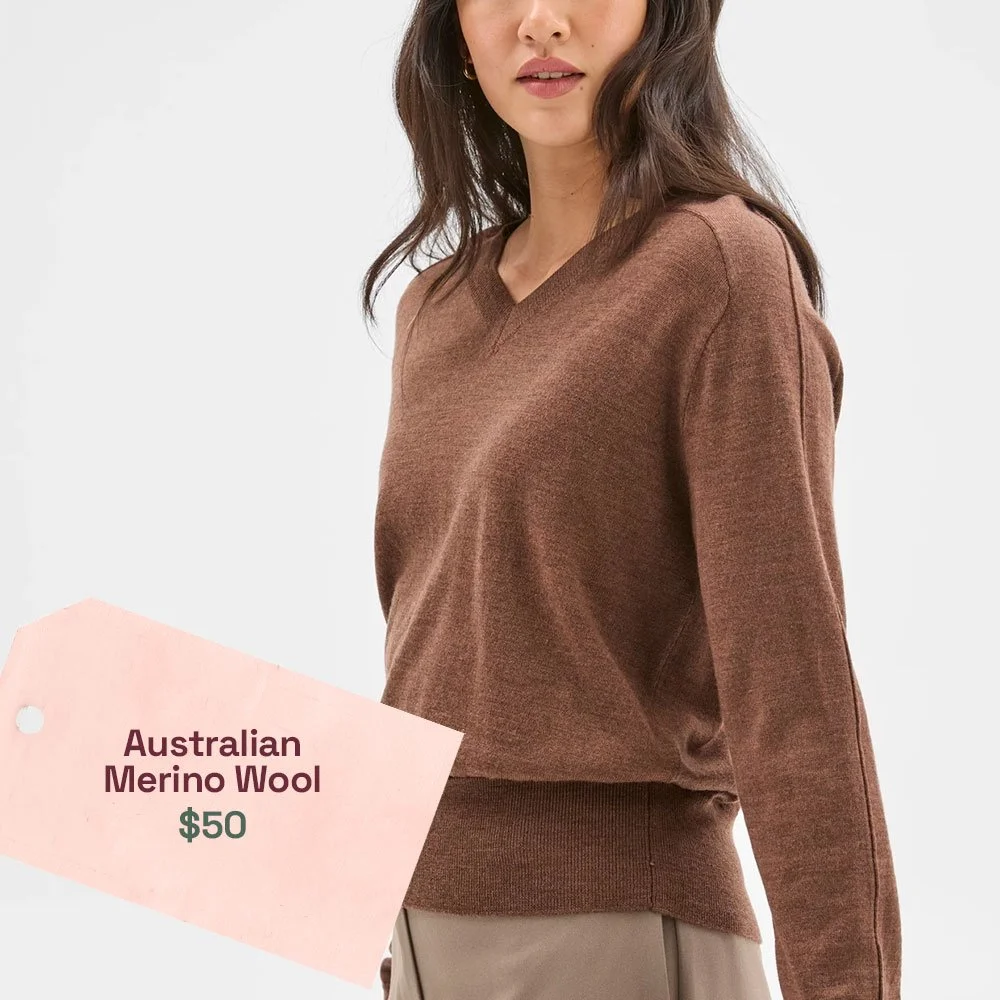
Target Preview Australian Merino Wool Long Sleeve V-Neck Knit Top
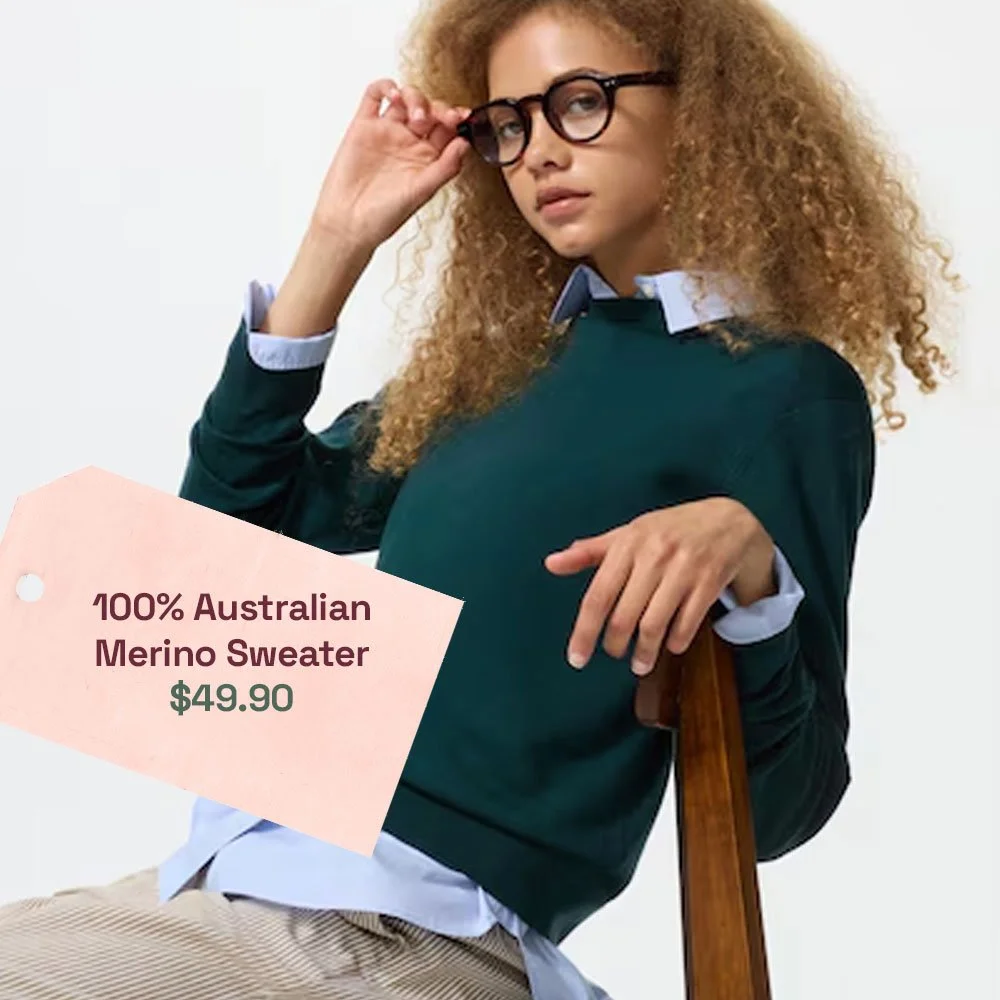
Uniqlo 100% Australian Merino Sweater
a few more team picks:
Leo High Cut Bra Olive, Pebble Singlet Butter, Sweats Cotton Fleece Straight Leg Trackie,
How to shop smarter this week
If this still feels like a lot, keep it simple. Next time you're about to buy something, do three things: check the fabric label first, ask yourself how many times you'll realistically wear it, and pick the natural fibre option if the price difference is small.
You don't need a perfect wardrobe. Just a slightly better one, built slowly. That's how you upgrade your clothes without quietly draining your bank account.
***Please remember our blogs aren’t intended as financial advice - they’re intended only as a starting point to give you a little extra info! For more in-depth advice catered to your personal financial position, please see a certified financial advisor.