The Invisible Financial Load of Being "The Person Who Has It Together"
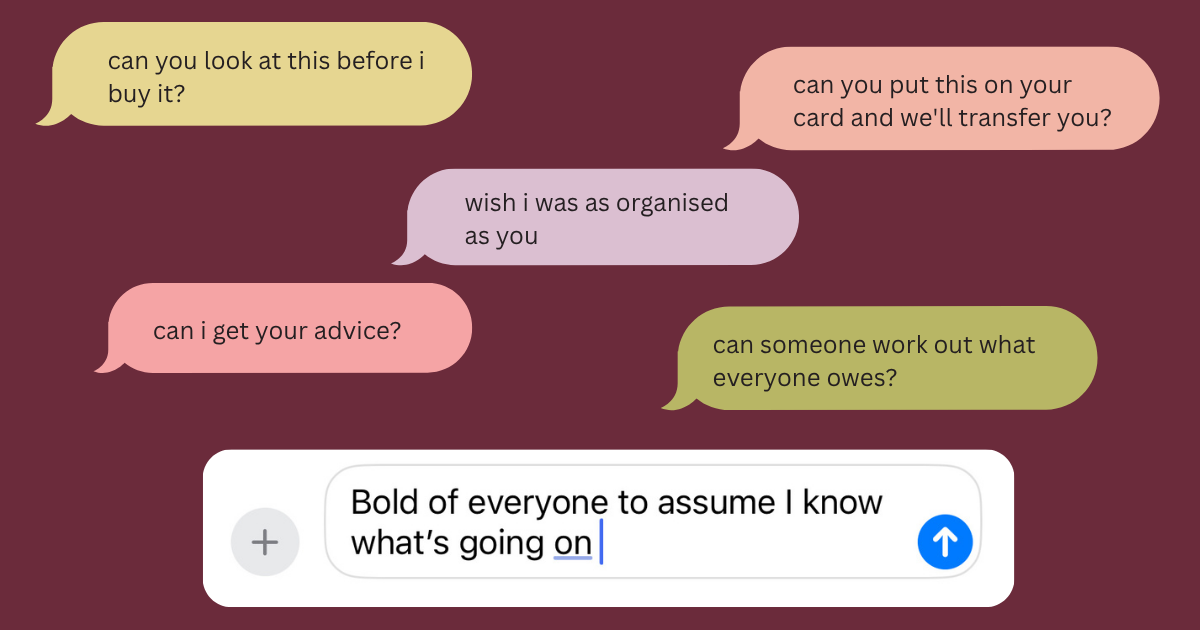
Ever noticed how one friend in every group somehow ends up being the "money one"? The one who splits the bill, remembers the group holiday fund, and gets a "quick question" text every time someone's thinking about a big purchase.
What if that friend is quietly stressed about money too, and just never says so?
We're calling it the invisible financial load: the hidden cost of being seen as financially "together," even when the reality behind the scenes looks a lot messier. It's the emotional and financial labour of maintaining an image, and it rarely gets talked about because, well, it's invisible by design.
Why we mistake the appearance of wealth for the reality of it
Somewhere along the way, most of us built our idea of what "having it together" looks like from things we could actually see: a nice bag, a clean home, a calm friend who always seems to know what she's doing with her money. Rarely from things we couldn't see, like an emergency fund, no consumer debt, or a plan for retirement.
That's the same trap that shows up when we talk about being rich versus being wealthy. Someone can have the Cartier bracelet and no safety net. Someone else can look completely unremarkable and be in a genuinely strong financial position. The visible and the actual are two different scoreboards, and most of us have been scoring ourselves, and each other, on the wrong one.
The hidden cost of being "the reliable one"
When you get cast as the person who has it together, the role tends to stick. You become the default advice-giver, the calm voice in a group crisis, the one nobody checks in on because you "seem fine." That's a real cost, even if it never shows up on a bank statement.
It also creates pressure to keep performing the part. Admitting you're stressed about money, or that you made a purchase you regret, or that you genuinely don't know what to do with your super, can feel like breaking character. So a lot of "together" people just don't say it. They keep splitting the bill and answering the 11pm text, quietly carrying a load nobody else can see.
What to do if this is you
If you recognised yourself in any of this, a few honest reframes can help:
Being asked for financial advice constantly doesn't mean you have to be everyone's free financial planner. It's okay to say "I'm not actually sure either" out loud.
Looking calm about money and feeling calm about money are not the same thing, and only one of them matters for your own financial security.
The goal was never to look like you have it together. It's to actually build the plan, one that holds up whether or not anyone's watching.
What to do if you're the one relying on that friend
If you're the one sending the "quick question" texts, it's worth checking in on the person you're asking, not just the answer they give you. Being reliable is still work. It's just work that doesn't come with a paycheck.
KNOW THYSELF: Not sure where you actually stand versus where you look like you stand? Take our money personality quiz.
KEEP LISTENING: This theme runs straight through our Rich vs Wealthy episode where we unpack where our earliest ideas of "rich" actually came from.
The advice shared on She's On The Money is general in nature and does not consider your individual circumstances. She's On The Money exists purely for educational purposes and should not be relied upon to make an investment or financial decision. If you do choose to buy a financial product, read the PDS, TMD and obtain appropriate financial advice tailored towards your needs. Victoria Devine and She's On The Money are authorised representatives of Money Sherpa PTY LTD ABN - 321649 27708, AFSL - 4451289